
French films
The National Competition showcases the best of French production over the past year, with 11 programmes of short films from all genres and backgrounds. Two French films are also part of the international competition.
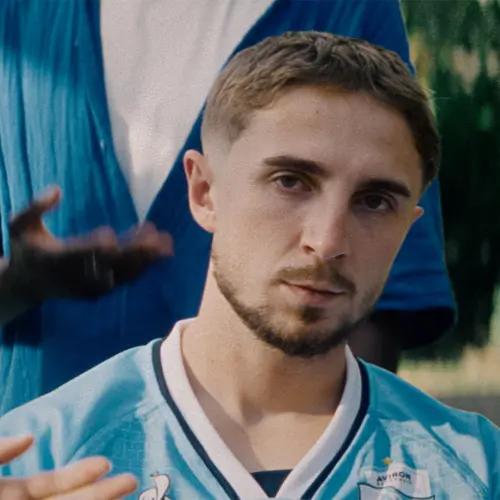
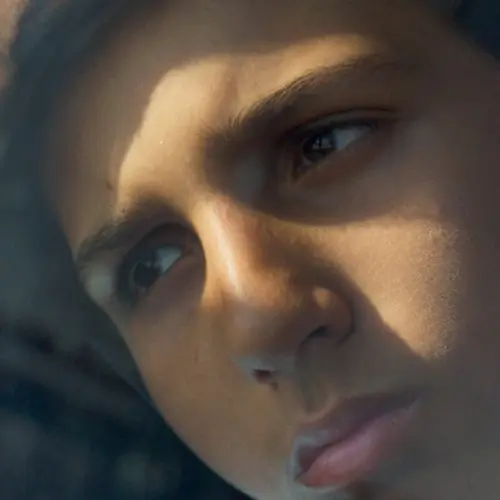
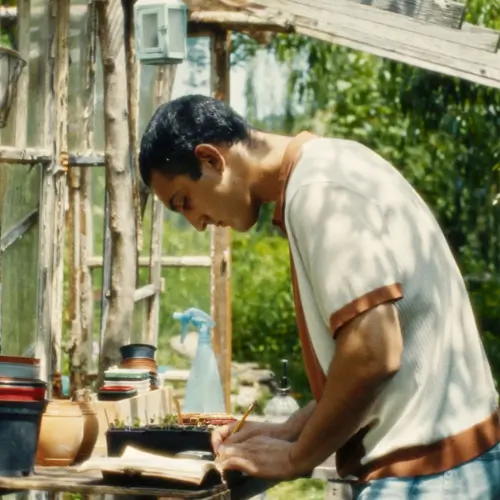
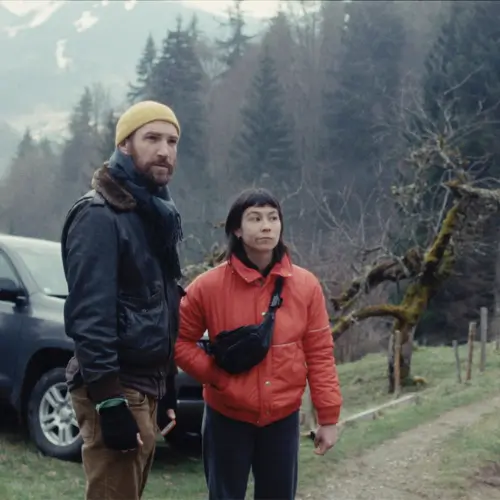
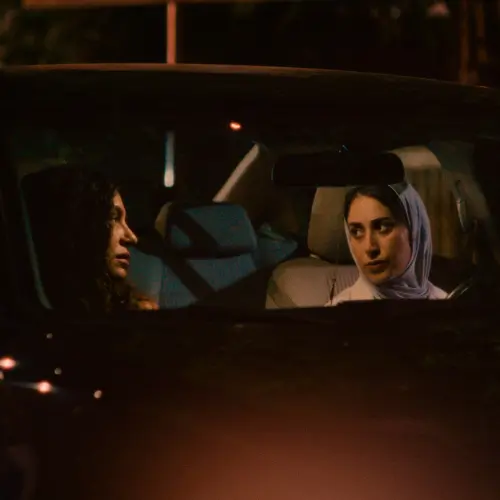
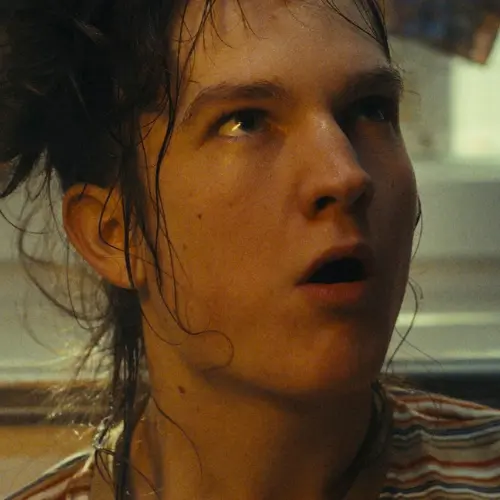
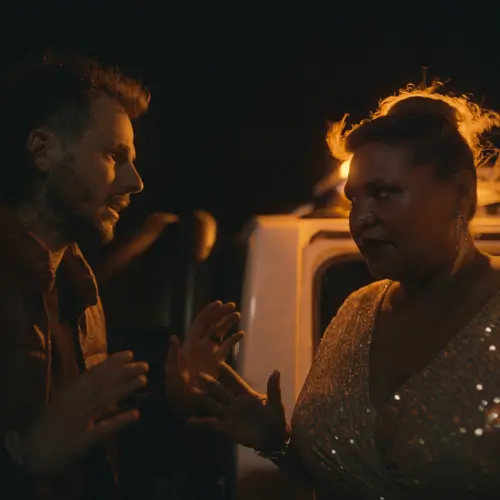
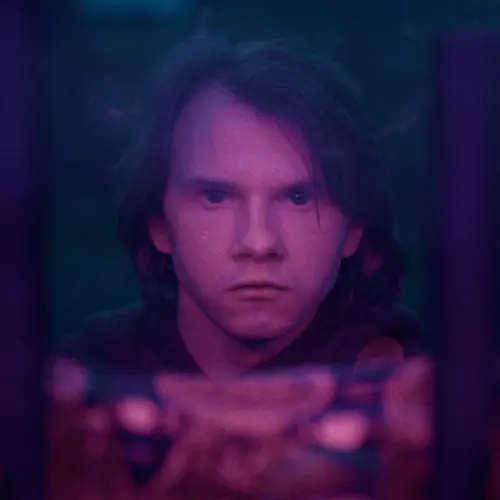
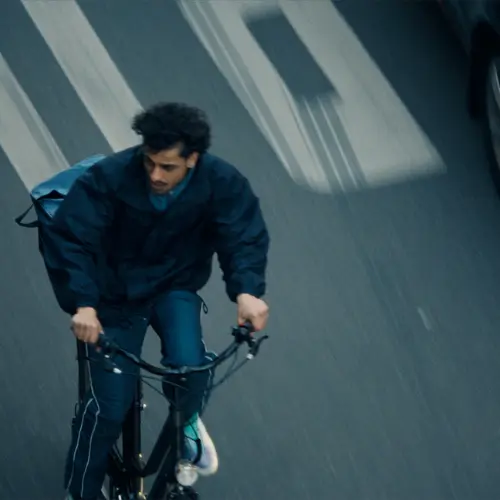
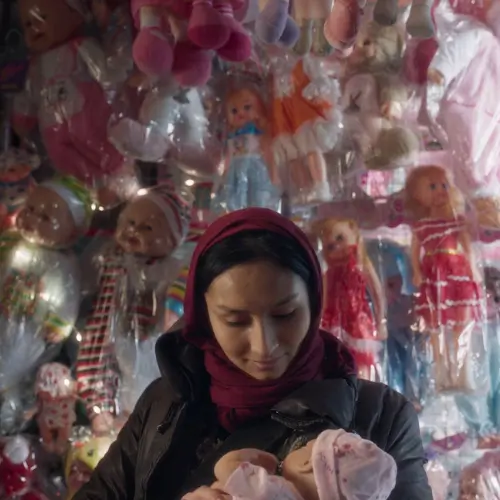
Life is made up of pieces that don’t fit together
In this National Competition, there is something of a grand choral narrative in which masked, vulnerable, and paradoxical beings march forward, and where cinema, like a heartbeat heard below the surface, slowly uncovers the major issues of its time.
Men, at first, proceed tentatively all while giving the illusion of control. The most vulnerable among them take refuge in the extremes, succumbing to the siren call of masculinism in Gueule cassée (Looksmaxxing), while others, full of wavering certainties, give free reign to their secret desires (for a childhood friend in Je veux danser (I Want to Dance) or a much more mystical and testosterone-driven entity in BOA), or to their shortcomings (modesty laid bare in Biche). Through their vulnerability, something surprisingly human comes to the surface, a light that makes its way through the crack, allowing us to better understand them and at times, even to love them.
Meanwhile, across the aisle, women reclaim their power. Sometimes, with the gentleness often attributed to them – the expression “an iron fist in a velvet glove” might define the character played by Coralie Russier in Dernières nuits, premiers jours (Last Nights, First Days) — and sometimes with a muted violence when they turn the tables by upsetting an unbearable power dynamic, whether they are pushed to the limit by a cruel boss like in Les Forcenés (Frenzied) or through blackmail as is the case in Coyotes. Seduction is the hot date of this year’s National Competition, as foretold by the song interpreted by La Lupe in the beginning of Fanny à la plage (Fanny at the Beach): “Crazy love, this obsession, I don’t know what to do since I’ve felt this temptation.” Whether alone or in teams, at the beach with pizzas as in Au Bain des Dames (If You Don’t Like It, Look Away) or at a restaurant with a biriyani in Sulaimani, resilience will often be these women’s best weapon, and they all seem to carry within them a quiet but decisive surge of solidarity, discreet but defining. A sisterhood that will allow those who were broken to find a new form, in the manner of Kintsugi, the Japanese art of restoring broken or damaged objects, not by concealing the cracks, but by sublimating them with gold.
In the background, the world hums with biting irony: capitalism stretched to the point of absurdity, as we see in Veuillez patienter (Please Hold), which offers a reality that slips into excess so as to better reveal its underlying logic. The films play on these excesses, reframing them just enough to allow the social truth hidden in the tragic to emerge, like the one that pierces every protagonist of Faux bijoux in their search for a better life, or the mystery surrounding a sudden disappearance that puzzles an embedded journalist in Peau d’argent. It goes without saying that this year’s National competition will have its share of unexpected encounters and family portraits. We shall witness the birth of unlikely duos, decisive–sometimes romantic—friendships, and families that fall apart just to find a way to rebuild themselves.
As time passes, tired bodies appear, slowly giving way to illness or aging. We do not turn away from them. Our gaze falls upon those who care for, who watch over, who support, and who are not always able bear the weight of this responsibility, as is the case with Gaëlle in Seule la tendresse (Only Tendreness), cruelly searching for love in the midst of a winter as biting as death, or the young Abel who turns away from the emaciated body of his father offered up to a scorching summer in Soleil pâle (Pale Sun).
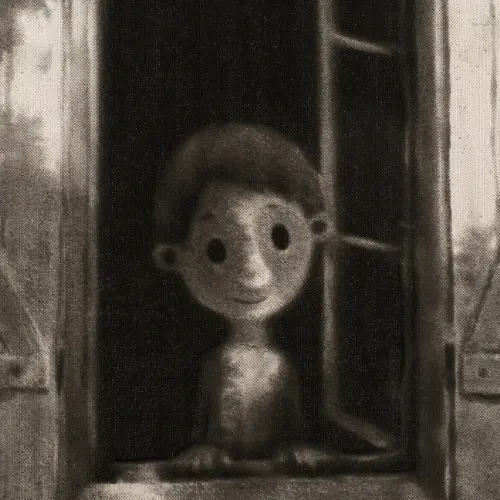
This is how the two films chosen to represent France in the International Competition synthesise these issues and necessities. Lucas Gloppe’s Mardochi evokes failure in the quest for a memory: upon returning from Rabat, Vincent was unable to find his father’s childhood home, his now-dying father having left Morocco after its independence. It is the unexpected encounter with Ahmed that will allow him to reconcile with this father he had feared for so long. The animated fiction Une fugue (To the Woods) by Agnès Patron, for its part, resurrects the memory of a long-gone brother in the mind of a sister struggling to grieve for one night. Here, ghosts do not linger in order to frighten, but rather to instill in the living the strength to carry on.
Through the variety of its narratives and the subtlety of its perspectives, this selection sheds light on the driving forces and anxieties that permeate our era. It confirms cinema’s ability to offer a space in which our experiences, both individual and collective, may be seen from a different point of view.
0
th
edition
0
international co-productions
0
Programmes
0
%
of films directed or co-directed by women
0
Films submitted
0
animated fictions
0
Films selected
Competition coordination
Stéphane Souillat
s.souillat@lecourt-clermont.org
National Competition selection committee
Fanny Barrot, Marie-Laure Boukredine, Marie Cordier, Sébastien Duclocher, Jérémy Laurichesse, Sarah Momesso, Bertrand Rouchit, Stéphane Souillat, Jérôme Ters, Laura Thomasset.